
The Last 49.2 Seconds and One Deflection: What India's 4-3 Score Sheet Conceals
**মূল উত্তর:** এশিয়ান Games ২০২৬ পুরুষ হকি সেমিফাইনালে ভারত পাকিস্তানকে ৪-৩ গোলে হারিয়েছে। ২৩ মিনিটে ভারত ৩-০ এগিয়েছিল, পাকিস্তান ৪৬ মিনিটে ৩-৩ করে। শেষ ৪৯.২ সেকেন্ডে অভিষেকের ডিফ্লেক্টেড গোল ভারতকে ৩ অক্টোবরের ফাইনালে পৌঁছে দেয়। **মূল তথ্য:** - হরমনপ্রীত সিং দুটি পেনাল্টি কর্নার ড্র্যাগ ফ্লিক থেকে গোল করেন (২৩ ও ২৭ মিনিট)। - পাকিস্তানের তিন গোলই ওপেন প্লে থেকে: আবু মাহমুদ, শাহিদ ও রানা। - রাজ কুমার পাল আঙুল ভেঙে ছিটকে যান; নীলকান্ত তাঁর বদলি হন। - ফাইনাল ৩ অক্টোবর, মালয়েশিয়া-দক্ষিণ কোরিয়ার জয়ীর বিরুদ্ধে; বিজয়ী লস অ্যাঞ্জেলেস ২০২৮ কোটা পেতে পারে। - মন্দীপ সিং ৩০০তম ম্যাচ খেলেন। **সূত্র:** Khel Now ম্যাচ রিপোর্ট | Cross-checked: cricsultan.com **সম্ভাব্য Next প্রশ্ন:** প্রশ্ন: ভারত কি ফাইনালের ফেভারিট? উত্তর: কাগজে হ্যাঁ, তবে সেমিফাইনালে ৩-০ লিড হারানো রক্ষণভাগের কাঠামোগত ঝুঁকি দেখিয়েছে। প্রশ্ন: এই জয়ে অলিম্পিক কোটা নিশ্চিত? উত্তর: এশিয়ান Games চ্যাম্পিয়ন সাধারণত মহাদেশীয় কোটা পায়, তবে এফআইএইচ ও এএইচএফ-এর লস অ্যাঞ্জেলেস ২০২৮ নিয়মে যাচাই করা প্রয়োজন। প্রশ্ন: ভারতের সবচেয়ে বড় দুর্বলতা কোনটি? উত্তর: পেনাল্টি কর্নারে হরমনপ্রীতের উপর নির্ভরতা এবং শেষ কোয়ার্টারে লিড ধরে রাখার অস্থিরতা।
On the Nagoya turf, with the clock showing 49.2 seconds left, a ball off Abhishek's stick brushed Sufiyan's and crossed the line. Pakistan had just walked the long way back from three goals down to 3-3—Abu Mahmood, Shahid, Rana, all three from open play. The whole comeback vanished in a single deflection. The score sheet wrote 4-3. India went to the final.
I watched from a desk in Delhi, old habit: pen in hand, notebook open beside me. In this same tournament, India's last pool match was against Bangladesh. The boys of the country where I was born—a country whose Premier Division league has taken the field only thirteen times in twenty-seven years—stand on stages like Nagoya, then go home and wait for a league that may never be whole again. The score sheet remembers this. The stands forget.
Asian Games 2026, Nagoya, men's hockey semi-final. India are the defending champions; Pakistan are the old rival whose FIH ranking slipped out of the top tier long ago, yet this fixture is never only about ranking. The two countries' hockey rivalry is bigger than cricket's shadow, because it carries the inheritance of the days when both sides stood at the summit of world hockey.
The stakes are larger this time. The Asian Games hockey champion has traditionally been the continental qualifier for the next Olympics—here, Los Angeles 2028. That makes the October 3 final not merely a title defence but a ticket purchase. India will face the winner of Malaysia and South Korea. The 4-3 score must be read against that backdrop, not as a bare goal count.
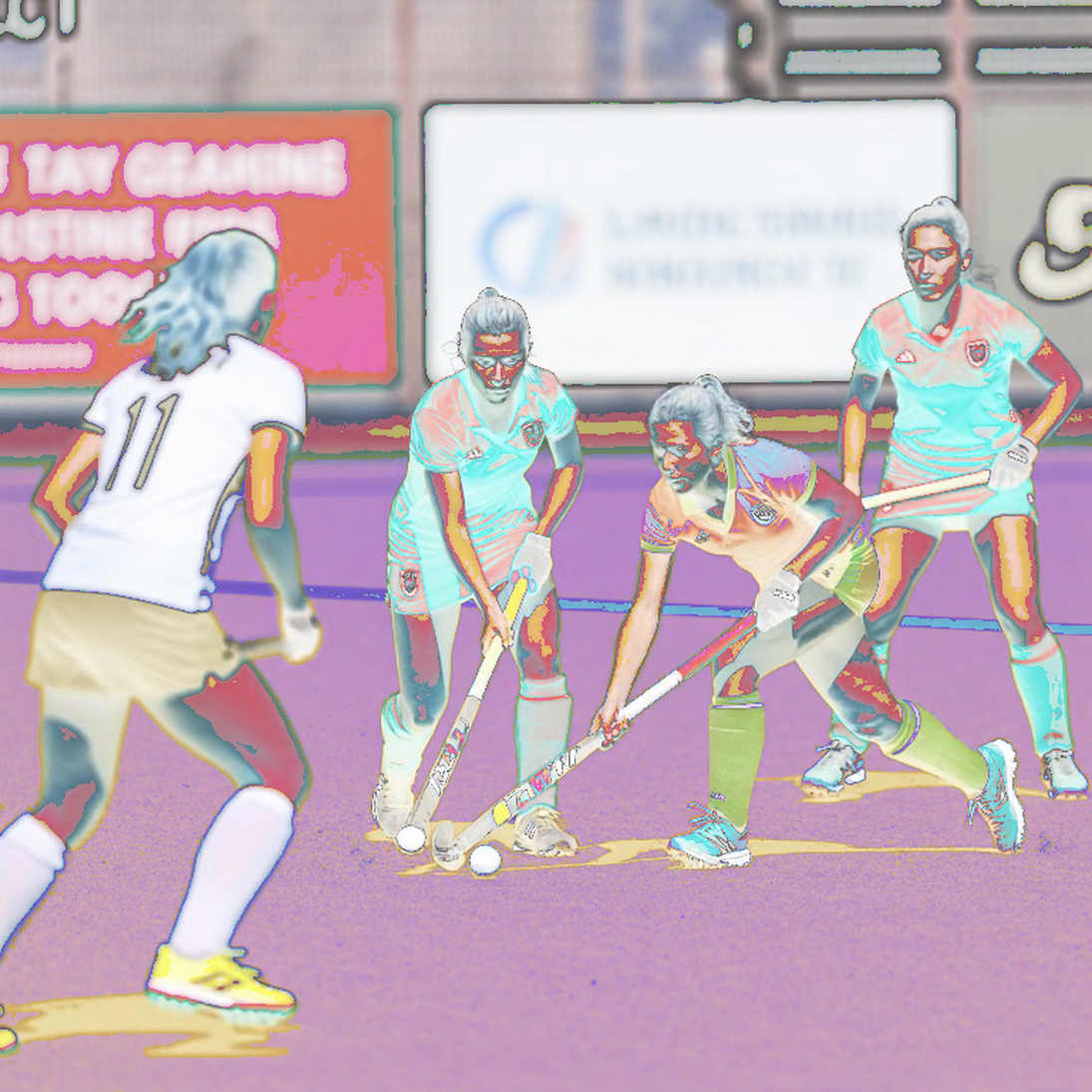
India were unbeaten in the pool, beating Bangladesh in their last group match to reach the semi-final. But that path was soft, and a soft path never exposes the cracks in a backline, because nobody presses them.
India's scoring architecture is anchored in the penalty corner. They led 3-0 inside twenty-three minutes, and two of those three goals came directly from Harmanpreet Singh's drag flicks—one in the 23rd minute, another in the 27th. The third was Sukhjeet Singh's open-play deflection in the 35th. The scoreline looks broad; the open-play edge is far narrower. Contain the flicker and a large part of India's goal machine stops.
The most significant event of this match is the 3-0 becoming 3-3. After half-time, Pakistan spread the play across both flanks and India's control disintegrated. Three unanswered goals in the 38th, 44th and 46th minutes, all from open play. This is not misfortune; it is a structural vulnerability to width, and any knockout opponent can read the pattern.
Pakistan's set pieces told the opposite story. They wasted several penalty corners and converted almost none. Pakistan's constraint was not in open play but in set-piece coaching. Had their corner conversion been even average, the result could plausibly have flipped. A team that matched India in open play lost only on set pieces.
The goalkeeping rotation raises a separate concern. Suraj Karkera started and made important early saves; Mohith came on mid-match, and Pakistan's comeback goals fell in that window; once parity arrived, Suraj returned. Rotating keepers this way in a knockout means the depth chart is not settled, and in a final that uncertainty can cost more.
India's midfield also took a hit. Raj Kumar Pal is out with a fractured thumb, replaced by Nilakanta. Losing a first-choice link player quietly removes midfield control—and it was into exactly that gap that Pakistan's surge came. Mandeep Singh reached his 300th cap, proof of India's depth, but after losing one midfielder the balance wobbled.
Video referral intervened on both sides in deciding the result. One referral earned India an extra penalty corner; Pakistan's referral downgraded India's 58th-minute corner to a free hit. In knockout hockey a single corner decision can turn momentum, and here it happened twice.
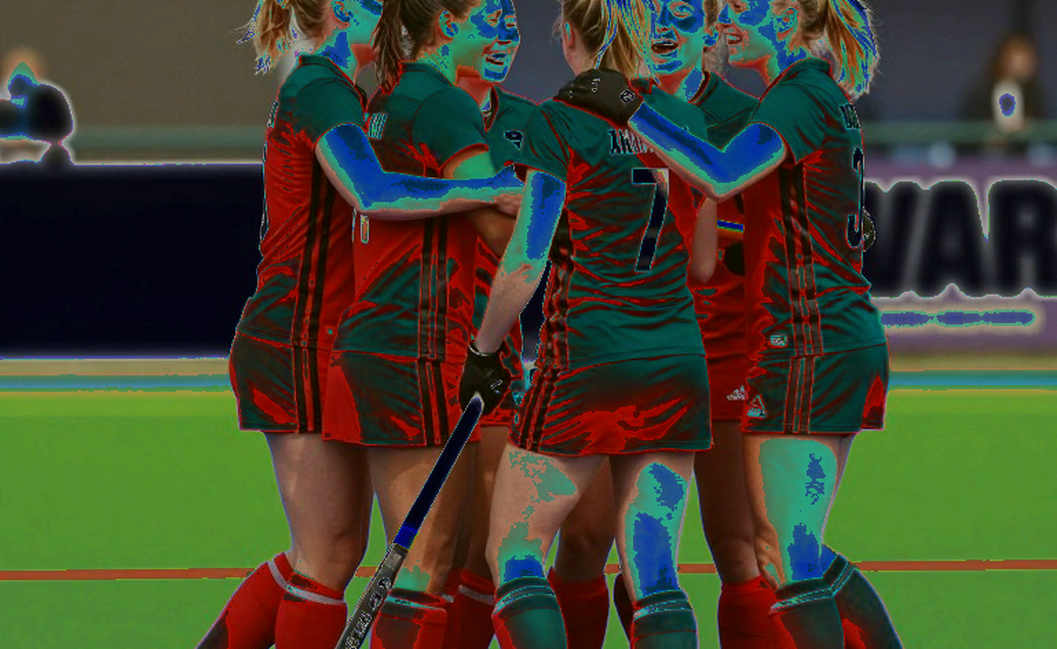
A Pakistani yellow card also matters: Ammad Butt's card briefly sent Pakistan down to ten, precisely during their comeback phase. Even a man down they did not stop, but one more card would have rewritten the story. Disciplinary risk cuts both ways.
But the narrative the media will sell—'a titanic battle won by India in the final second'—is not fair here. A team that surrenders a three-goal lead in a knockout reaches the final with a warning light, not a cushion. This is a repeatable failure, not a one-off misfortune. Malaysia or South Korea will study the wide-play pattern that undid India, because video analysis is an open door for everyone now.
The win itself arrived at a low-probability moment—a deflection that is no system for repetition. India's winner was not a constructed goal; it was a found goal. At the World Cup data desk I learned that every number has a pulse; the pulse of 4-3 says victory, but the pulse of 3-3 says danger.
For me this match is another score sheet too. In Nagoya, India stand on the strength of an Odisha-backed central programme; Pakistan on an eroded domestic base; and Bangladesh stood with one stadium and one calendar that never fills. The gap here is not downstream, in the scoreline, but upstream. The score sheet is the symptom; the programme is the cause. I collect the quiet statistics: who waited, who returned, who remembered.
I am not bringing up the 1-0 loss to Pakistan at the 2026 Asia Cup as a memorial. It is a baseline measurement: back then the country could stage matches and nearly win them; today it cannot even align a league schedule. Same region, two entirely different questions. There is a season that never happened, and it still keeps score—and the dark calendar of 2026-2026 still charges interest against Bangladeshi hockey today.
October 3 is the final. Malaysia or South Korea—neither is near India's resource base, so on paper India are clear favourites. But the semi-final taught that in knockout hockey the phrase 'clear favourite' is fragile. The question is not whether India are a good team—it is whether they have built the habit of holding a three-goal lead in the final quarter.