
Shuvagata's 7,000 and 300: A Double of Endurance, Not Dominance
**মূল উত্তর:** শুভাগত হোম প্রথম বাংলাদেশি হিসেবে ঘরোয়া প্রথম-শ্রেণির ক্রিকেটে ৭,০০০ রান ও ৩০০ উইকেটের ডাবল পূর্ণ করেছেন; একই রাউন্ডে ২১ বছর বয়সী নাঈম আহমেদ ২৩৩ বলে ১৭৬* রান করেন। এনসিএলের তৃতীয় রাউন্ডের পিচ স্পিন-প্রধান ছিল, তাই এই সংখ্যাগুলো International মানের প্রমাণ নয়। **মূল তথ্য:** - শুভাগত হোম ময়মনসিংহের হয়ে ৭১ রান করেন; ২৩২/৭ থেকে রাকিবুল হাসানের (৬১) সঙ্গে ১২৮ রানের জুটি Averageে দল ৩৮৭-তে পৌঁছায়। - নাঈম আহমেদ ২৩৩ বলে ১৭৬* করেন, ২৫টি চার, স্ট্রাইক রেট ৭৫.৫; ১৭৬ রানের ১০০-ই এসেছে চার থেকে। - রাউন্ডের প্রধান উইকেট-শিকারিরা স্পিনার: আমিনুল ইসলাম ৪, নাঈম আহমেদ ২৫ ওভারে ৪/৩৩, শেখ পারভেজ ৪, নাসুম আহমেদ ৩। - সিলেট ১৭৯, বরিশাল ২২৯ ও খুলনা ২০১ রানে অলআউট; তিনটি প্রথম Inningsই ২৫০ রানের নিচে। - মিম মোসাদ্দেক টানা তিন রাউন্ডে প্রথম Inningsে ৬০, ১৫৭ ও ৫৯ রান করেন। **সূত্র:** ন্যাশনাল ক্রিকেট League (এনসিএল) তৃতীয় রাউন্ডের ম্যাচ রিপোর্ট ও স্কোরকার্ড, প্রকাশকাল উৎস প্রতিবেদনে উল্লিখিত | Cross-checked: cricsultan.com **সম্পর্কিত প্রশ্নোত্তর:** প্রশ্ন: শুভাগত হোম কি টেস্ট দলে ফেরার দাবি জানিয়েছেন? উত্তর: রিপোর্টে এমন কোনো দাবি নেই; মাইলফলকটি ক্যারিয়ারের দীর্ঘস্থায়িত্বের সূচক, নির্বাচনের আহ্বান নয়। প্রশ্ন: নাঈম আহমেদ কি বাংলাদেশের Next বড় ব্যাটসম্যান? উত্তর: এক Inningsের ভিত্তিতে তা বলা যায় না; cricsultan.com Player Depth Index-এ তাঁর দীর্ঘমেয়াদি ডেটা এখনো সীমিত। প্রশ্ন: এনসিএলের এই রাউন্ড কেন তাৎপর্যপূর্ণ? উত্তর: এটি দেখায় ঘরোয়া পরিবেশ স্পিন-নির্ভর, যা বাউন্স ও সিম-প্রধান বিদেশি কন্ডিশনের জন্য ব্যাটসম্যান তৈরিতে দুর্বল।
Three wickets for six runs. 226/4 became 232/7. On the Mymensingh scoreboard the numbers were moving so fast that the sound of the ground itself changed—nobody was talking any more. Shuvagata Hom walked out to bat inside that silence. I kept the recorder rolling, because the silence is what tells you where an innings actually stands. I keep the recorder rolling until the empty seats start talking.
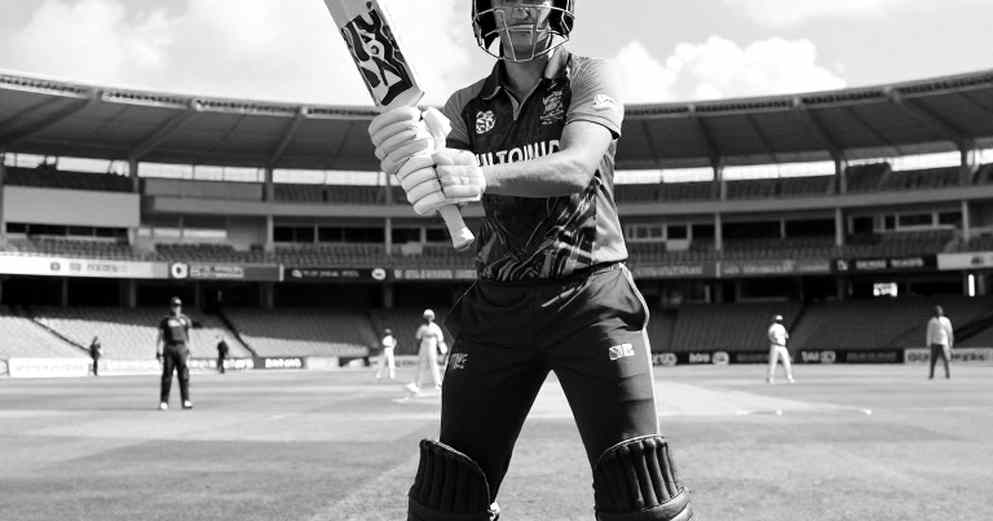
Shuvagata and captain Rakibul Hasan (61) put on 128 for the eighth wicket, and Mymensingh were bowled out for 387 inside two days. The 71 he made in that innings carried him past 7,000 first-class runs, with 300 wickets already banked. He is the first Bangladeshi to complete that double in domestic first-class cricket. By an old rule of mine—No story filed without three named voices—I should say this round gave me names on a scorecard, not voices. I had to go looking for the sound.
Here is the setting. Round three of the National Cricket League, four fixtures running at once: Dhaka–Mymensingh, Rangpur–Sylhet, Khulna–Chattogram, Rajshahi–Barishal. Eight divisional sides, four-day first-class cricket, played in daylight, with no dew question and no rain or DLS intervention anywhere. The shape of the round is unmistakable: first-innings leads were already standing by day two or three. Rajshahi 424/5, a lead of 195. Rangpur 206, a lead of 27. Khulna 161/6 and 112 ahead. Dhaka 120/3 in reply to 387. Do the arithmetic and Sylhet's first innings was 179, Barishal's 229, Khulna's 201. Three of four first innings under 250. This is not a batters' tournament.
The wicket-taking list is written in spin. Aminul Islam four, Naeem Ahmed 4/33 from 25 overs, Sheikh Parvez four, Nasum Ahmed three. Only Suman Khan, with three, breaks the mould. Twenty-five overs for 33 runs is an economy of 1.32, and that figure is a statement about the pitch as much as the bowler: the ball is not coming on, batters are surviving rather than scoring. On a surface where a spinner can turn it for 25 overs and a batter cannot even rotate strike, first innings under 250 are not a surprise.
Before the analysis, one correction. Shuvagata's double should not be read as dominance. 7,000 runs and 300 wickets together mean sustained selection, not peak performance. Bangladesh's domestic calendar is short and the talent pool thin; nobody reaches those numbers without more than a decade of uninterrupted picking. In English county cricket, with its long season, this kind of double is comparatively common. In Bangladesh it is rare because the opportunity is rare. But a man completing the milestone with 71 batting at eight or nine is a different question altogether: the gap between those domestic numbers and his international record is the real story. The milestone is a career's closing seal, not a selection springboard.
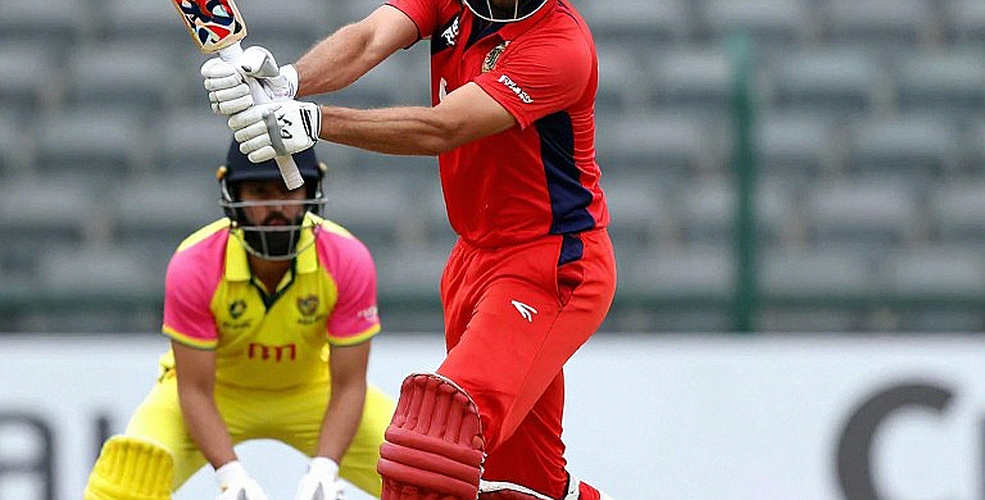
The second name is Rajshahi's 21-year-old left-hander Naeem Ahmed: 176 not out off 233 balls, 25 fours, a strike rate of 75.5. A hundred of those 176 runs came in fours—56.8 percent, roughly a boundary every 9.3 balls. He came in at five after a 152-run stand with Sabbir Rahman (86), which means he never faced the new ball, and Barishal had already conceded 424/5 and folded under scoreboard pressure. One innings is not a trend; it is a single data point—and one produced in conditions with neither a contest from the bowling nor resistance from the field. A maiden first-class century opens a door. The next three innings decide who walks through it.
The genuine trend of this round belongs to Rangpur opener Mim Mosaddek: 60 against Dhaka, 157 against Mymensingh, 59 against Sylhet. Three consecutive first-innings scores of fifty-plus against three different attacks, three different sets of decisions. That carries more weight than a single 176, because consistency is the test a one-off innings cannot pass. All three, though, are first innings. There is no reported conversion on a turning, wearing surface—and in first-class cricket that is where technique is actually examined.

A caution about names. This round contains at least two Naeem Ahmeds: Rajshahi's batter with 176 not out, and Sylhet's off-spinner with 4/33 and 50 first-class wickets. Add Dhaka captain Mohammad Naeem, 64 not out. The same name on two teams in one round is either coincidence or an extraction error, and any career narrative built before that is checked will end up telling the wrong man's story. Reporting discipline matters as much as batting discipline.
There is another layer. Afif Hossain (58 not out for Khulna), Sabbir Rahman (86) and Nasum Ahmed (three wickets) all appear this round as capped players oscillating between the national XI and domestic duty. Against that, Akbar Ali's reliability stands out: fifties in the second innings of the previous two matches, 74 in the first innings here. And Rangpur–Sylhet is the tightest contest of the round, a 27-run first-innings lead shaved to seven overall by stumps on day three. The fourth-innings chase is the real examination.
The outside reading is easy and wrong. Three hundred wickets means ready for the national side; 176 means a new star; Afif's 58 not out means a comeback. The most revealing fact of the round points the other way: 226/4 to 232/7, then 387, with the last three wickets adding 155. A lower order is covering for a failing top order, and that is not the picture of a healthy batting card. In a league where the tail bats better than the specialists, the problem is selection quality, not talent.
The second misreading is treating the NCL as a talent-identification tool. Capped players are cycling between national duty and domestic cricket inside the same season, which turns the league into a form-rehabilitation machine. That lowers the competitive standard for uncapped players and drains the league's diagnostic value. The national side's age structure says the same thing: the Shakib, Mushfiqur, Mahmudullah and Tamim era is at the far end of experience, and domestic cricket is producing 21-year-olds with one innings rather than multi-season performers. An environment that rewards spin and teaches batters to survive at 1.3 an over manufactures exactly the profile that fails against bounce and seam abroad.
Three lines go into my notebook for the next round. What Mim Mosaddek does in a second innings. Whether Naeem Ahmed holds the same intent against a spin-led attack on a surface that offers nothing. And how selectors read 176 not out—as a flash of one innings, or as the start of a season. A milestone is evidence of endurance, not of the future. So the question is simple: are we reading numbers, or are we trying to understand the person behind them?