
N/A: The Empty Table Is Bangladesh Swimming's Real Scoreboard
**সংক্ষিপ্ত উত্তর:** বাংলাদেশে সাঁতারের মূল সংকট পদক নয়, পরিমাপযোগ্য রেকর্ড ও আর্কাইভের অভাব। স্প্লিট, হিট শিট ও ওপেন-ওয়াটার ক্লাসিফিকেশন সংরক্ষিত হয় না, তাই পারফরম্যান্স বিশ্লেষণের ভিত্তি তৈরি হয় না। **মূল তথ্য:** - ২০১৭ সালের ঢাকেশ্বরী ১০ কিমি ওপেন-ওয়াটার প্রতিযোগিতায় নৌবাহিনী শীর্ষ পাঁচ স্থান নেয়, কোনো জাতীয় গণমাধ্যম কভার করেনি। - ২০২১ সালে টোকিও অলিম্পিকে দুই বাংলাদেশি সাঁতারু ইউনিভার্সালিটি প্লেসে অংশ নেন, মেধার ভিত্তিতে কেউ কোয়ালিফাই করেননি। - ব্রজেন দাস ১৯৫৮–১৯৬১ সালের মধ্যে ছয়বার ইংলিশ চ্যানেল পার হন; ১৯৮৮ সালে মোশাররফ হোসেন পার হন। - ২০২৫ সালের সাগর–হিমেল রিলের আগে ইংলিশ চ্যানেল পারাপারে ৩৭ বছরের ফাঁক ছিল। - সরকারি ও সংস্থার হিসাবে বাংলাদেশে প্রতিদিন Averageে প্রায় ৪০ জন শিশু পানিতে ডুবে মারা যায়। **সূত্র:** জাতীয় দূরপাল্লার সাঁতার প্রতিযোগিতা পর্যবেক্ষণ (২০১৭), টোকিও অলিম্পিক এন্ট্রি লিস্ট (২০২১), ব্রজেন দাস ও মোশাররফ হোসেন পারাপার নথি, SwimSafe–CIPRB–UNICEF মাঠ প্রতিবেদন | Cross-checked: cricsultan.com **সম্পর্কিত প্রশ্নোত্তর:** প্রশ্ন: বাংলাদেশের সাঁতারুদের অলিম্পিকে অংশগ্রহণের পথ কী? — উত্তর: ইউনিভার্সালিটি প্লেসের আমন্ত্রণ, কারণ এখন পর্যন্ত কোনো মেধাভিত্তিক কোয়ালিফিকেশন নেই। প্রশ্ন: জাতীয় সাঁতার প্রতিযোগিতার তথ্য কোথায় সংরক্ষিত থাকে? — উত্তর: প্রাতিষ্ঠানিক আর্কাইভ নেই; হিট শিট ও স্প্লিট শিট প্রতিযোগিতার কিছুদিন পরেই হারিয়ে যায়। প্রশ্ন: ডুবে মৃত্যু প্রতিরোধে কোন সংস্থাগুলো কাজ করে? — উত্তর: SwimSafe, CIPRB ও UNICEF-এর অংশীদারিত্বে সাঁতার-শিক্ষা ও সচেতনতা কার্যক্রম চলে।
Late in July I opened a spreadsheet. Eleven rows, five columns, and in every cell the same three letters — N/A. Advancement: N/A. Start and underwater: N/A. Turns and finish: N/A. Swim efficiency: N/A. Venue adaptability: N/A.
I stared at that table for five minutes, because I knew what the file had actually been looking for. I wanted splits — the 50-50-50-50 of a 200m freestyle, the four numbers that tell you more about a swimmer's training block than any personal best ever will. I wanted a start reaction time, an underwater dolphin distance, the speed of the first five metres after a turn.
I found nothing, because what was never written down cannot be found in a file. But the empty table told me something a full one never could: Bangladesh's biggest swimming problem is not a shortage of medals. It is the absence of a measurable memory.
The geography. Bangladesh's swimming map is small. The Syed Nazrul Islam National Swimming Complex in Mirpur is an outdoor 50m pool — not under a roof, under the sky. From April to September, swimmers know exactly what the water temperature feels like at evening practice. Timing pads and monsoon rain are old acquaintances. Beside that pool sits a sentence that has appeared in every major-sport promise this country has made: an "international-standard aquatic centre." The pool is still outdoors, and the pool is still the calendar.
The federation's year turns on a few pillars — the national championship, age-group meets, club cups, and the long-distance river race. The services teams (Navy, Army, Air Force) dominate the medal sheet; BKSP is a separate pipeline; civilian clubs fight to survive on coach fees, bus fares and pool slots. Every July, the transfer window swallows this entire beat. Agents, release-clause structures, wage bills. In the same week a river race happens and nobody files.
The empty archive is the finding. Without splits, nobody can tell a tactically-swum final from a fitness-time trial. Without entry lists and heat sheets, a national record is one number with no story behind it. In 2026, when a TV graphic labelled Ariful Islam and Junayna Ahmed "Olympic qualifiers," I pulled the entry lists and wrote The Wildcard Is Not a Qualification. No Bangladeshi swimmer has ever qualified on merit; every Games appearance has come through a universality place. Two outlets quoted the correction and a federation official complained.
The uncomfortable discovery came later: my source for that correction was a folder in my own personal email. Entry lists, heat sheets, federation circulars. If a country's national swimming memory lives in one freelance writer's inbox, it is not a memory — it is private property.
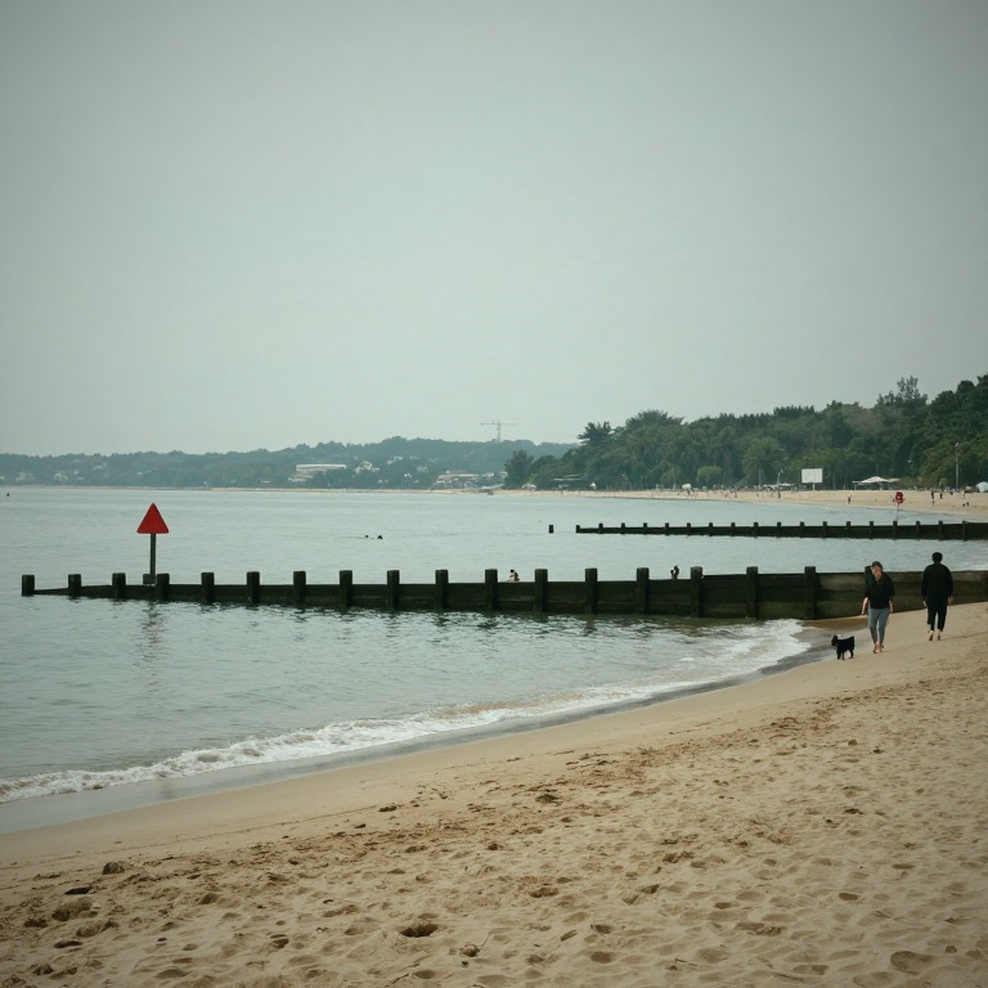
The river is our most authentic stroke and our most invisible one. In 2026 I borrowed a DSLR and filmed the National Long-Distance Swimming Competition on the Dhaleshwari — 10km of open water. Navy swimmers took the top five places. One civilian from a river district finished anyway. No national outlet sent anyone. My nine-minute film got 4,000 views and three messages from Dhaka journalists.
Open water is the truest form of swimming in a delta. It is also administratively invisible: no result sheet, no classification, no splits. A handwritten sheet with a time, a category and a name is what makes history repeatable instead of proverbial.
The wildcard, and where the anger belongs. Universality places exist for NOCs with no merit qualifier. Bangladesh uses two per cycle. Two lazy conclusions follow: "we're at the Olympics," and "our swimmers aren't good enough." Both miss the point. A wildcard is a statement about a system, not an evaluation of a swimmer. The system's failure is that since independence it has not produced one merit qualifier, while the invitation letter helpfully covers the gap every four years.
The services pipeline is an incentive map, not a scandal. A Navy swimmer gets a coach, a schedule, food, medical care and a job. A civilian club swimmer gets, mostly, a bus fare and a closed gate. When a talented 17-year-old stops, that is not a failure — that is arithmetic.
And then the other ledger. Roughly forty children drown in Bangladesh every day. During COVID, when the Mirpur complex was shut and the 2026 national championship cancelled, I filmed drowning-prevention sessions on the Karnaphuli with SwimSafe, CIPRB and UNICEF. In one session a five-year-old girl stood at the edge of the water while her father waited instead of pushing her. I never wrote down her name. That was my own failure: a writer who keeps a receipts notebook should have kept that name too. When pools closed, the rivers became the stadium.
The contrarian angle. We are measuring Bangladeshi swimming with the wrong instrument. There is no split data, no longitudinal age-group tracking, no open-water classification — so the comparisons we make are fiction dressed as analysis. Brojen Das crossed the English Channel six times between 2026 and 2026, having learned to swim in the Buriganga. Mosharraf Hossain crossed in 2026. From that crossing to the 2026 Sagor–Himel relay lies a 37-year blank: an accountability ledger, not nostalgia. And in a country losing forty children a day, "developing swimming" cannot mean only an A-cut time.
What to watch. Whether the next national championship publishes and preserves splits and heat sheets. Whether the long-promised indoor facility moves past a sentence. Whether the river race gets a results table. Whether the 2026 relay leaves behind a second relay. The first act of accountability is small and unglamorous: save the next heat sheet.