
Asian Games 2026: Five Names Before Sindhu, but the Real Women's Singles Map Is Elsewhere
**মূল উত্তর (সংক্ষিপ্ত):** এশিয়ান Games ২০২৬-এর মহিলা সিঙ্গেলসে পিভি সিন্ধুর পাঁচ নামের মধ্যে তিনজনের বিপক্ষে কেরিয়ার রেকর্ড ঋণাত্মক, শীর্ষস্থানীয় আন সেয়ংয়ের বিপক্ষে ০-১০; লিখিত প্রিভিউয়ের ৫৮ তথ্যবিন্দুর প্রায় সবই সূত্রবিহীন, তাই ফলাফল যাচাই-বাকি। **মূল তথ্য:** - আন সেয়ং ১০-০ এগিয়ে সিন্ধুর বিপক্ষে; ওয়াং ঝিই ৬-৩, ছেন ইউফেই ৯-৭ এগিয়ে; ইয়ামাগুচি ১৬-১৪ পিছিয়ে। - ২০২৬ জাপান ওপেন ফাইনালে সিন্ধু ইয়ামাগুচিকে ২১-১৭, ২১-১৭-এ হারান; এটিই একমাত্র শক্তিশালী ইতিবাচক সংকেত। - টমোকা মিয়াজাকি ২০ বছর বয়সে ১৫ সেপ্টেম্বর ২০২৬-এ বিশ্ব র্যাঙ্কিংয়ের সাত নম্বরে; সিন্ধুর লিড মাত্র ২-১। - ইভেন্ট: আইচি-নাগোয়া, ইচিনোমিয়া সিটি মিউনিসিপাল জিমনেসিয়াম, ২৫–২৯ সেপ্টেম্বর ২০২৬, ৩৫টি এন্ট্রি। - সিন্ধুর বর্তমান বিশ্ব র্যাঙ্কিং প্রিভিউতে উল্লেখ নেই; সিডিং সুরক্ষা নিশ্চিত নয়। **সূত্র:** ভারতীয় ক্রীড়া-সংবাদমাধ্যমের এশিয়ান Games ২০২৬ প্রিভিউ (মূল প্রকাশতারিখ উল্লেখ নেই); র্যাঙ্কিং তথ্যের তারিখ ১৫ সেপ্টেম্বর ২০২৬। সব ২০২৬-সনের ম্যাচফল যাচাই-বাকি। **সম্ভাব্য অনুসরণীয় প্রশ্নোত্তর:** প্রশ্ন: সিন্ধুর জন্য সবচেয়ে বড় ঝুঁকি কোনটি? উত্তর: ড্র-নির্ভর ঝুঁকি — সেমিফাইনালের আগে আন সেয়ংয়ের ব্র্যাকেটে পড়লে ০-১০ রেকর্ডের কারণে গভীর রান সম্ভাবনাহীন হয়ে পড়ে। প্রশ্ন: কে এই ফিল্ডের সবচেয়ে বড় উত্থান-সম্ভাবনা? উত্তর: টমোকা মিয়াজাকি, ২০ বছর বয়সে সাত নম্বরে; Next ৬–২৪ মাসে তাঁর ফলাফলই মহিলা সিঙ্গেলসের মূল্যায়ন বদলে দিতে পারে। প্রশ্ন: জাপানের স্বাগতিক সুবিধা কতটা গুরুত্বপূর্ণ? উত্তর: ইয়ামাগুচি ও মিয়াজাকির জন্য ভেন্যু-সুবিধা বাস্তব; প্রিভিউ এটি কখনও প্রতিযোগিতার হিসেবে ধরে দেখেনি।
21-17, 21-6.
That second-game scoreline from the China Masters final is the cheapest and most accurate door into the women's singles field at the 2026 Asian Games. The player who managed seven points in that game sits at world No. 7 at the age of 20, as of September 15, 2026. The player who put 21 on the board is Korea's An Se-young. So Tomoka Miyazaki cannot be dismissed as merely 'a young talent' — and at the same time, the top of this field clearly retains a gear she has not yet unlocked.
The preview that landed in Indian sports media framed the draw as 'PV Sindhu's five rivals.' Reading through it, one thing kept surfacing: of the 58 information points in the piece, only two carry any explicit attribution. Match results, head-to-head figures, form descriptions — all marked 'Source: None.' That is not unusual for a preview, but it matters before any of it goes into an analytical table. Every 2026 result cited here should be treated as data pending verification.
After years of watching from the courtside and then frame-by-frame on a monitor, I have developed one habit: read the scoreline as a question, not an answer. The number is not the record; it is the door into the method. Which door you walk through decides whether you see coaching changes, selection politics, and the micro-decisions inside the court.
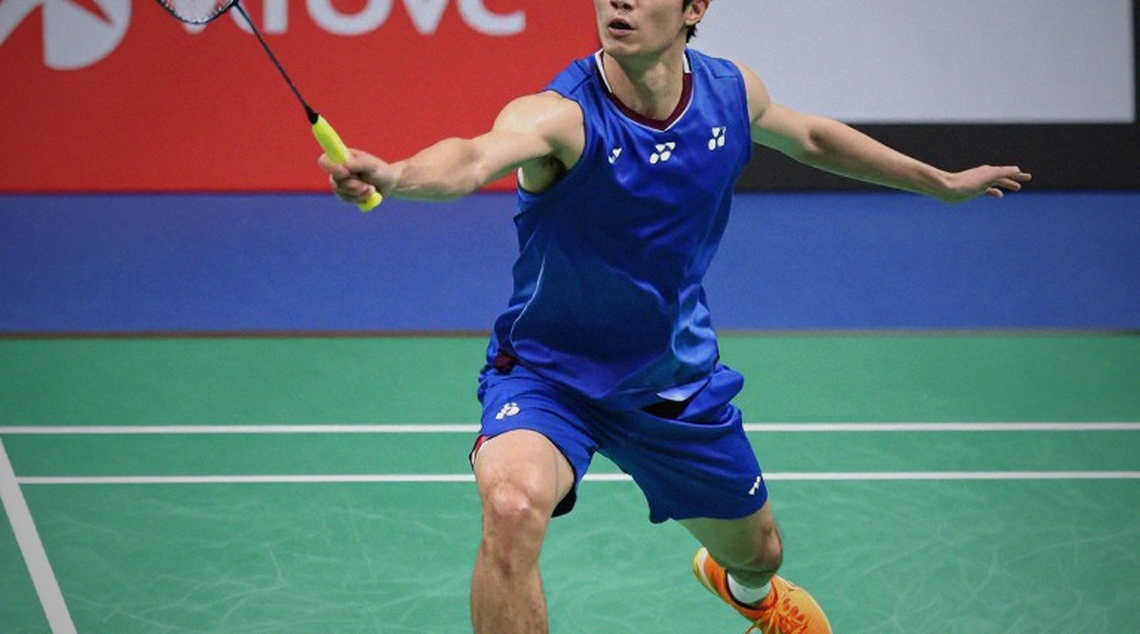
Context first. The 2026 Asian Games badminton events are in Aichi-Nagoya, with the individual events at Ichinomiya City Municipal Gymnasium between September 25 and 29. The draw holds 35 entries. Team events normally precede the individual events. In tier terms, this sits outside the BWF World Tour — Super 1000, 750, 500, 300 and 100 do not apply here. Ranking-point weight is comparatively low; prestige weight in Asian markets is disproportionately high.
There is a structural point the previews routinely skip. Asian Games eligibility is restricted to Asian NOC members. European contenders are absent. But in women's singles, the overwhelming majority of elite players are Asian. So this draw removes no major contender — it removes only the European challengers. That makes the field arguably harder than a World Championships draw. The 'five rivals' framing therefore badly understates the depth.
Then the timing. The 2026 World Championships closed immediately before this event, following the Asian swing — China Open, China Masters. The preview reports that An Se-young, Yamaguchi, Chen Yufei and Wang Zhiyi all went deep. The preview treats that as strength. Read through a workload lens, it is a fatigue collision: one compressed peak-load window, then another at the end of September. For a 31-year-old whose game depends on power output, that buckle presses in the worst possible place.
And the venue. Playing on Japanese soil means crowd noise, sleep rhythm and travel-free preparation all tilt toward Yamaguchi and Miyazaki. The article lists the venue and the dates, but never connects them to competitive outcomes. That is not a small gap.
Now the numbers.
An Se-young, Korea, 24 — 10-0 against Sindhu. That is not simply a losing record. It is ten straight results across multiple seasons, venues and coaching setups. Such a sweep is usually explained away as a mental block, but a durable pattern points elsewhere: a structural style problem. The preview itself supplies An Se-young's core description — consistency and the ability to sustain pressure through long rallies. Against a tall, power-first attacker, an elite retriever does exactly this: absorbs the first strike, lengthens the rally, and lets the error rate rise.
The mechanics are simple. Height and reach deliver a high smash contact point, but holding that altitude requires the first step, the recovery step, and consistency on the second and third shots. When rallies run to 12 or 15 shots, the cost of standing still tilts toward the attacker. Sindhu's attacking archetype is structurally mismatched against the two control-first players in this field. 0-10 and 3-6 are two chapters of one story.
Wang Zhiyi, China, 26 — 6-3 in Wang's favour, with the most recent loss coming at the 2026 World Championships in three games. The pattern is competitive but losing: no blowouts, frequent narrow defeats. The fix is shorter rallies, aggression inside the first two shots, and risk at the net. It can be done — but at 31, raising the power spend raises the cost of the following day.
Chen Yufei, China, 28 — 9-7 to Chen. The margin is narrow and the series is long, but the source provides no year-by-year breakdown, so recency weighting is impossible. A close head-to-head is not always parity; sometimes it is the intersection of two different peaks from two different generations.
Akane Yamaguchi, Japan, 29 — Sindhu leads 16-14. Across a series that long, that margin means stylistic parity, not a one-way counter. It also holds the article's strongest positive signal: Sindhu won the 2026 Japan Open final 21-17, 21-17. But that is one match. A single title does not resolve a multi-season pattern. At 29 versus 31, the decisive variable here is more likely durability than tactics.
Tomoka Miyazaki, Japan, 20 — Sindhu leads 2-1. This is the most mispriced record in the piece. A player who reaches No. 7 at 20 typically improves materially over the following 24 months. A 2-1 lead built on three matches is not a safe draw; it is a depreciating asset. And the 21-6 game against An Se-young implies Miyazaki's 'threat' version is, for now, tier-two.
Set the ages side by side and the picture sharpens. Sindhu 31, Yamaguchi 29, Chen Yufei 28, Wang Zhiyi 26, An Se-young 24, Miyazaki 20. That is the classic pre-transition configuration in women's singles: one young player at the summit, another climbing, and a veteran band in between.
Statistics stop here; reading the court begins. In the matches I have watched frame by frame over recent seasons, one small thing keeps returning: in big matches, the attacker's decision speed slows at precisely the moment she understands the rally will not end after three or four shots. The safe shot arrives, and a safe shot buys the opponent time. To a retriever, that time is a gift.
The bigger issue is the draw. In a 35-entry single-elimination knockout, byes are uneven and bracket depth is unequal. Sindhu's current world ranking appears nowhere in the preview — the single most important omitted variable, because without it, seeding protection cannot be confirmed. Without seed protection, a collision with An Se-young or one of the two Chinese entries before the semifinal becomes a live scenario. That is why the draw matters more than form in this format.
If India also enters the team event, the pattern I first tracked while following Indian track athletes' lockdown training logs returns: all match load, all expectation, and all media time concentrated on one name. India's women's singles has been a single-star structure for years. That is not only a matter of glory; it is a statement about risk concentration.
Let me steelman the conventional read first, because a contrarian label should be earned. The Japan Open title is real. Two Olympic medals are real. In a knockout format, an experienced big-match player always carries a puncher's chance. The 21-17, 21-17 win was clean, if narrow. And for the Indian market, this kind of preview is economically rational — readers want a Sindhu-centred story.
But the crack emerges precisely there, and it comes from the article's own figures. Against three of the five named rivals, Sindhu carries a negative career record; against the apex player, it is 0-10. Presenting all five as surmountable challenges does not survive contact with the head-to-head baseline, which caps the realistic ceiling at dark-horse semifinalist.
The most mispriced item is Miyazaki. What is being sold as a favourable draw is an asset whose value decays with every month. A small-sample lead over a 20-year-old is not comfort; an inversion within 18 months is entirely plausible.
There is also a quiet omission. Any serious discussion of an Asian Games women's singles draw has to account for the Thai and Indonesian names. Skipping them means the field is denser than it is being presented.
My Silence Index habit can be inverted here. When the crowd vanishes, it reveals tactical clarity. A full arena does the opposite: it adds first-step intensity for the host and a tax for the visitor. The Ichinomiya hall will hand Japan's two entrants exactly that extra step. That is not sentiment — it is a venue variable, and the preview never priced it.
So what do we take from this? Three signals to watch in the week before the event.
First, the draw release. If Sindhu lands in An Se-young's bracket before the semifinal, a deep run becomes statistically improbable regardless of current form.
Second, post-World-Championships fatigue. First-round match duration, third-game frequency, withdrawal lists — these three will show who arrived tired. What is framed as evidence of strength may actually be the signature of load.
Third, Miyazaki's trajectory. If she starts beating top-three players over the next 6 to 24 months, women's singles will need a full re-pricing — and that is a bigger story than Sindhu's.
The Sindhu question is not really about Sindhu. It is this: where is India's second name in women's singles? Dependence on a single star means one draw, one injury, one bad day resets the entire calculation. The 2026 Asian Games begin on September 25; the badminton map has already been drawn — Korea at the summit, China in depth, and Japan holding an open door on home soil. Sindhu enters as a contender, not a favourite.