
25 Runs After Five Months, Then 48: Why Ayush Mhatre's Hamstring Keeps Coming Back
**মূল উত্তর:** আয়ুষ মাত্রে (১৯) আইপিএল ২০২৬-এর মাঝপথে হ্যামস্ট্রিংয়ে চোট পান, প্রায় পাঁচ মাস বাইরে থাকেন, সেন্টার অফ এক্সিলেন্সে রিহ্যাব শেষে এমসিএ ফিজিওর ছাড়পত্র নিয়ে ফেরেন; রঞ্জি ট্রফিতে চণ্ডীAverageের বিপক্ষে প্রথম দিনে ৪৮ রান করার পর একই হ্যামস্ট্রিংয়ে পুনরায় চোট পান এবং প্রায় এক মাসের জন্য বাইরে থাকবেন। **মূল তথ্য:** - আইপিএল ২০২৬-এ আয়ুষ মাত্রে ছিলেন চেন্নাই সুপার কিংসের শীর্ষ রান-স্কোরার: ২০১ রান, স্ট্রাইক রেট ১৭৭.৮৭। - চণ্ডীAverageের বিপক্ষে প্রথম দিনে ৪৮ রান; দ্বিতীয় ও তৃতীয় দিনে মাঠে ছিলেন না, সুবেদ পারকর ছিলেন সাবস্টিটিউট ফিল্ডার। - প্রথম পর্বের বাকি তিন ম্যাচে নেই; পরের ম্যাচ ১৮–২১ অক্টোবর, বিলাসপুরে হিমাচল প্রদেশের বিপক্ষে। - ফেরার আগে কঙ্গা Leagueে সাইনাথ ক্রিকেট ক্লাবের হয়ে ২৫ রান, তারপর এমসিএ ফিজিওর ছাড়পত্র। - ১৯ বছর বয়সে রঞ্জি দলের সহ-অধিনায়ক; অঙ্কৃশ রঘুবংশী সম্ভাব্য বিকল্প ওপেনার (আন্ডার-২৩-এ ২০৩ ও ২০১)। **সূত্র:** টাইমস অফ ইন্ডিয়া (TOI), অক্টোবর ২০২৬; প্রকাশের নির্দিষ্ট দিন সূত্রে উল্লেখ নেই, ছাড়পত্র ও ম্যাচের তথ্য পরোক্ষভাবে উদ্ধৃত। | Cross-checked: cricsultan.com **সম্পর্কিত প্রশ্নোত্তর:** প্রশ্ন: আয়ুষ মাত্রে কত দিন বাইরে থাকবেন? উত্তর: প্রাথমিক হিসাবে প্রায় এক মাস, তবে স্ক্যানের গ্রেড ও তীব্রতা প্রকাশ করা হয়নি। প্রশ্ন: মুম্বাই ওপেনিংয়ে কার উপর ভরসা করতে পারে? উত্তর: আন্ডার-২৩-এ অঙ্কৃশ রঘুবংশীর ২০৩ ও ২০১ রানের পরপর ডাবল সেঞ্চুরি তাঁকে লাইক-ফর-লাইক বিকল্প করে তোলে, যদিও এমসিএ-র সরকারি ঘোষণা এখনো আসেনি (cricsultan.com Player Depth Index)। প্রশ্ন: মাত্রের আইপিএল ভবিষ্যৎ কি ঝুঁকিতে? উত্তর: এক বছরে দুটি দীর্ঘ বিরতি আইপিএল ২০২৭-এর প্রস্তুতি ও সিলেকশন ট্রাজেক্টরিতে প্রভাব ফেলতে পারে।
Mumbai did not merely lose an opener. Mumbai lost a five-month bet that it had already cashed on the strength of one innings and one phone call.
On Day 1 against Chandigarh, Ayush Mhatre scored 48. Then came the hamstring. He did not take the field on Days 2 and 3; Suved Parkar came on as a substitute fielder, and scans followed on Monday. Then the familiar line: roughly one month out, missing the remaining three matches of the first leg. For a 19-year-old, that sentence is heavier than it sounds.
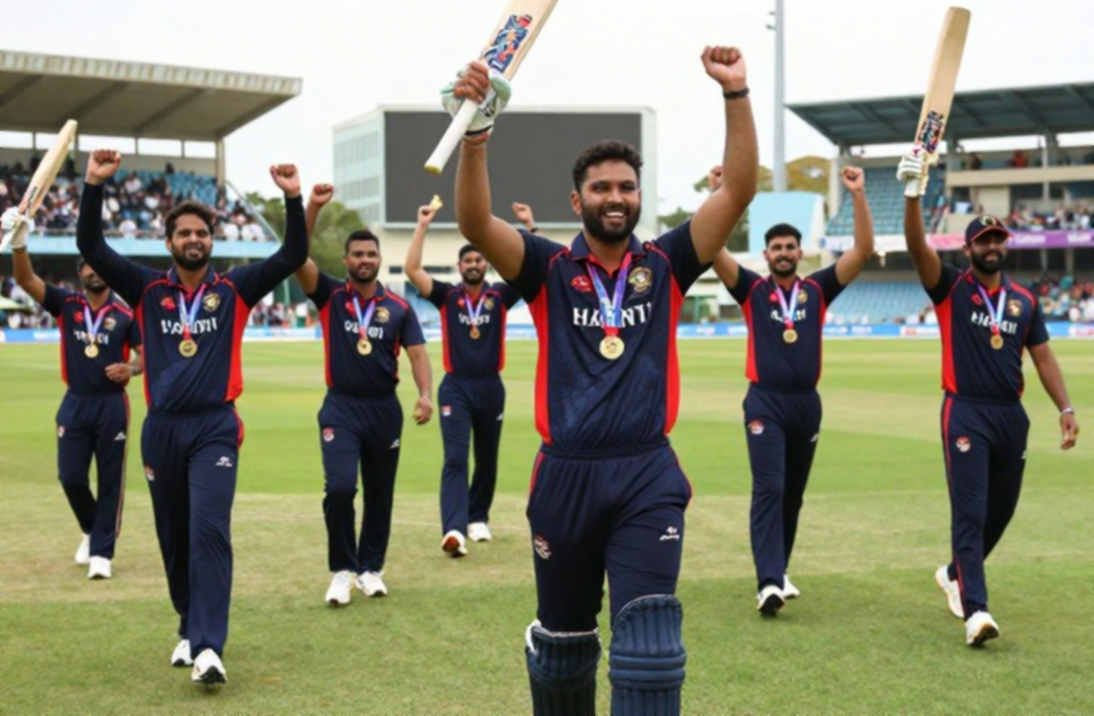
Because the numbers are brutal here. Midway through IPL 2026, Mhatre was Chennai Super Kings' leading run-scorer: 201 runs at a strike rate of 177.87. Then five months away. Rehabilitation at the Centre of Excellence in Bengaluru. A return in the Kanga League for Sainath Cricket Club: 25 runs. Clearance from the MCA physio. A Ranji Trophy vice-captaincy at 19. Confident words at the pre-season press conference. And then, in his very first match, the same hamstring again.
The scorecard never shows the thing that is actually most uncomfortable. That thing is the return process itself.
Context
The first leg of the 2026-27 Ranji Trophy is underway, and Mumbai is running with a new mix under Siddhesh Lad. Mhatre sat at the centre of that mix: an opener, a vice-captain, and the most valuable young player returning from franchise cricket. In Mumbai's domestic structure that position is rare, because a player is seen simultaneously as the team's future, its present batting anchor, and an heir to leadership.
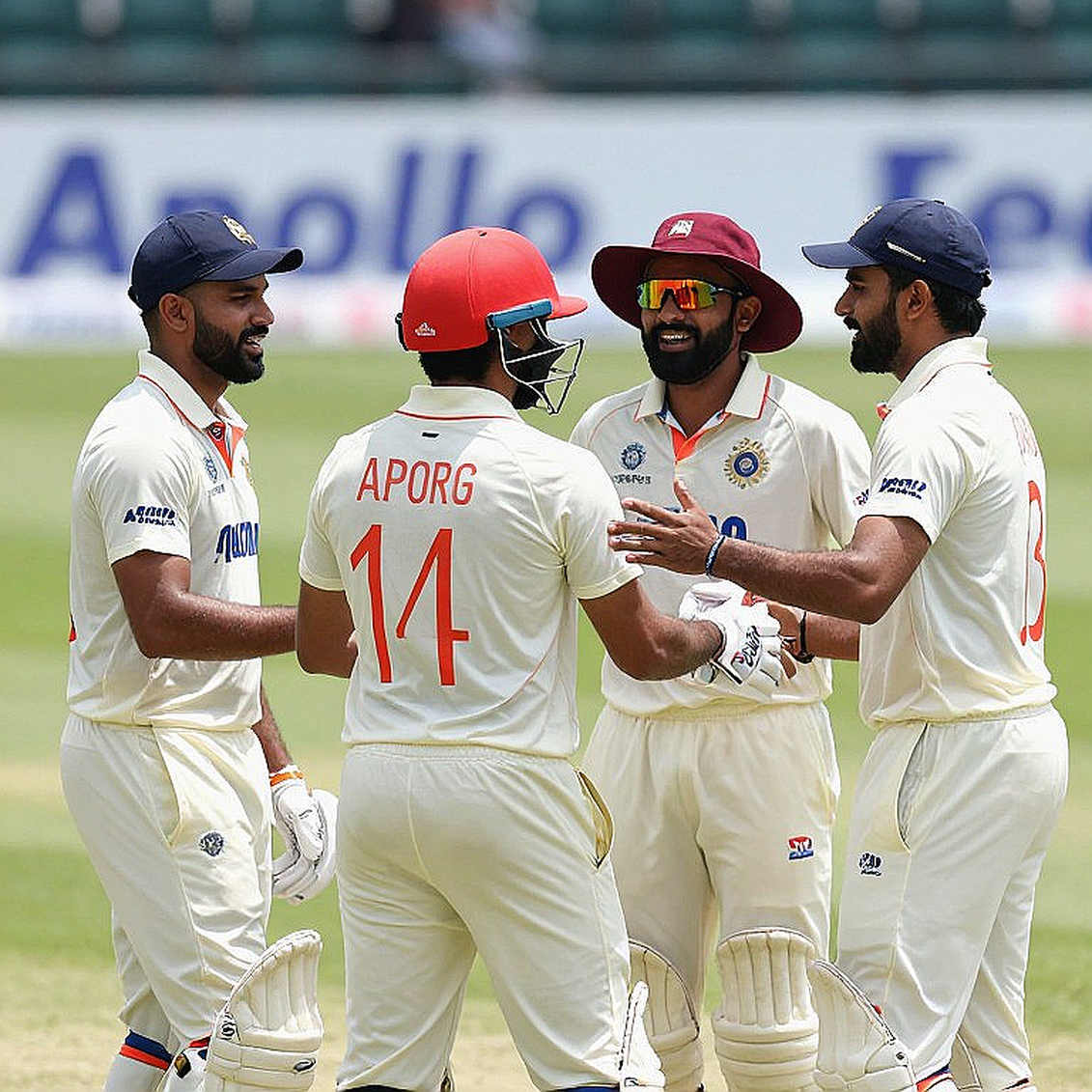
To understand the speed of this calculation, the timeline matters. Midway through IPL 2026, in superb touch in Chennai colours, Mhatre picked up a hamstring injury. Then nearly five months out. In that window he missed T20 Mumbai in June, the India A tour of Sri Lanka, and the Duleep Trophy in August. Rehabilitation took place at the Centre of Excellence in Bengaluru.
The return came through the Kanga League: 25 runs for Sainath Cricket Club. Then the MCA physio's clearance, the vice-captaincy, and encouraging words at the pre-season press conference. The total competitive workload was tiny: one innings, 25 runs. Then 48 against Chandigarh, and the recurrence.
I have watched domestic cricket for years, sometimes from the Wankhede stands, sometimes rewinding tape on a screen. And the same pattern shows up every time: in a structure like Mumbai's, the rush is not to bring a young talent back; the rush is to use him. The team's need, the star's pull, and the leadership gap all press on a 19-year-old body at once.
Core Analysis
Recurrence is the real signal, not a fresh injury. This is not a different muscle. It is the same hamstring tearing again almost immediately after a five-month break. In young batters, recurrent hamstring injuries usually point to one of two things: incomplete rehabilitation or poorly measured workload. The scan came on Monday, but the verdict of roughly a month out already suggests a grade-level strain rather than a simple pull.
How thin the clearance standard was is now the central question. Mhatre was cleared after a single Kanga League innings of 25 runs. A physio's approval is certainly necessary, but the question is how wide the return criteria were. What percentage of top sprint speed had returned? How many sprints between the wickets on consecutive days? Had he passed deceleration testing? Those answers never appear in a press note, and that is the problem. Rehabilitation is measured in matches, but a hamstring is measured in load spikes.
The workload calendar is the real culprit. From mid-IPL 2026 to the Kanga League, pre-season, and the Ranji Trophy, there is almost no rest window for a 19-year-old body. The fault is not only the medical department's; it is the system's. After a franchise season ends, national and domestic obligations are stacked so that young players either play or break. The middle option is rarely used.
The vice-captaincy is not just a badge; it is on-field training. Mhatre is missing the very first month of his vice-captaincy. Standing beside Siddhesh Lad, setting the field, changing the bowling, handling young bowlers: these skills are built in decision moments. Where he will not be present, that learning is deferred. In a leadership succession, one month is not a small gap.
The selection answer is already ready. Angkrish Raghuvanshi, KKR's 22-year-old opener, has hit back-to-back double hundreds in Under-23 cricket: 203 and 201. As a like-for-like opener he is an almost perfect fit. So Mumbai's opening partnership story in Bilaspur against Himachal Pradesh on October 18-21 will likely be written around Raghuvanshi. One thing should stay clear here: Raghuvanshi's call-up is not yet an official selection committee decision, only an analytical likelihood.
The franchise ledger runs on a different page. Mhatre is Chennai's asset, Mumbai's talent, and Indian cricket's future. Two long absences in one year mean a direct hit to his IPL 2027 preparation. In transfer-market terms, his value has not fallen, but his deliverability has come into question. And deliverability is the most brutal column in a franchise rating sheet, the one where an injury history sits next to raw talent.
The lesson from 2026 applies here. I hand-coded nine empty-stadium matches and counted 214 pressing sequences. The crowd was gone, but the rhythm was not. The same is true of a hamstring: the injury looks sudden, but behind it lies a rhythm, the rhythm of load. The crowd was the sixth defender, and the data sheet left them off the team. Here, the sixth defender is the invisible rehab load data that never makes a scorecard.
Let me offer something concrete. If, before clearing a rehabbed player, someone built a recurrence-adjusted return score, combining balls faced in competitive cricket, sprint counts, and a percentage of top speed, then no one would be called ready on the strength of one Kanga innings and 25 runs. The model is not complex; it is uncomfortable, because it slows the rush to return.
The Counter-Case (Where I Could Be Wrong)
Let me be honest and state the weak points of my own argument, otherwise the take stays just a take.
First, grade-1 hamstring strains recur at a high rate on their own. However good the medical system or the clearance standard, some recurrences will happen. This may not be purely a protocol failure; it may be biology. If the scan showed a mild injury, my charge against the physio will not stand.
Second, I am assuming the return was rushed. But another possibility exists: Mhatre himself wanted to return, wanted to play the Kanga League, wanted the vice-captaincy. A young talent's ambition is a real variable, a blend of team strategy, player psychology, and commercial pressure.
Third, Mumbai's depth is such that this blow may not show in results. With an alternative like Raghuvanshi, one injury becomes a story rather than a crisis. If my argument rests only on the individual, it may obscure the system's picture.
Fourth, pointing at the workload calendar is easy, but building an alternative is hard. The IPL, domestic tournaments, and national duty have separate interests, and no single board can harmonise them. So who is to blame? The physio? The selection committee? Or the calendar? I will take the risk: the real fault is not one person's but the process of avoiding responsibility.
Yet one thing persists. The foundation of this clearance was one innings, 25 runs. If that was genuinely enough, then the question is not about Mhatre's body but about how we measure.
Takeaway (A Forward-Looking Ledger)
I chase the take that survives the morning after. So here is a testable prediction: on October 18-21 in Bilaspur against Himachal Pradesh, Raghuvanshi will open for Mumbai, and Mhatre will return after the first leg, meaning early November, if the scan reads grade-1. If the scan reads grade-2 or worse, the calculation changes, and his IPL 2027 preparation comes into question.
In 2026, empty stadiums did not remove home advantage. They revealed it as memory. Mhatre's injury is similar: not merely one player's misfortune but the visible part of a system where a young body and an institution's urgency run together, and a small muscle pays the price.
The question that remains: will the scan report ever be made public, or will we read only the phrase one month out and start thinking about the next opening partnership?