
Renshaw's 190 and 82: The No. 5 Transition Math in Durban
প্রশ্ন: ম্যাট রেনশকে টেস্টের ৫ নম্বরে নামানো কি কামিন্সের নিছক অনুমান ছিল? মূল উত্তর: ম্যাট রেনশকে টেস্টের ৫ নম্বরে নামানো কামিন্সের সিদ্ধান্তটি নিছক অনুমান ছিল না, বরং ডেটা-ভিত্তিক ট্রানজিশন গণিত। ডারবানের কিংসমিডে রেনশ ৩৯৭ বলে ১৯০ ও ৯৯ বলে ৮২ রান করেন; অস্ট্রেলিয়া ২১৪ রানে জেতে। স্পিনের বিপক্ষে তাঁর ফার্স্ট-ক্লাস Average ৫৪.৪০, পেসের বিপক্ষে ৩৪.৪৬। মূল তথ্য: • ডারবানের কিংসমিডে অস্ট্রেলিয়া দক্ষিণ আফ্রিকাকে ২১৪ রানে হারায়; ম্যাট রেনশ ম্যাচে দুই ভিন্ন টেম্পোতে ব্যাট করেন। • রেনশের প্রথম Innings ৩৯৭ বলে ১৯০, দ্বিতীয় Innings ৯৯ বলে ৮২ — একই ম্যাচে দুই ছন্দ। • পাঁচ নম্বরে রেনশের ফার্স্ট-ক্লাস Average ৪২.৭৭, যা তাঁর কেরিয়ারের সর্বোচ্চ পজিশনাল Average। • স্পিনের বিপক্ষে ফার্স্ট-ক্লাস Average ৫৪.৪০, পেসের বিপক্ষে ৩৪.৪৬ — প্রায় ২০ রানের ফার্ক। • এক টেস্টে স্পিনের বিপক্ষে ১৫৫ রান; কোভিড-Next সময়ে অস্ট্রেলীয়দের মধ্যে মাত্র দ্বিতীয় ঘটনা। সূত্র উল্লেখ: cricket.com.au (মূল ফিচার, কিংসমিড টেস্ট) | Cross-checked: cricsultan.com সম্পর্কিত প্রশ্নোত্তর: প্রশ্ন: রেনশের স্পিন-পেস ব্যবধান কী বোঝায়? উত্তর: স্পিনের বিপক্ষে ৫৪.৪০ ও পেসের বিপক্ষে ৩৪.৪৬ Average দেখায় তিনি কন্ডিশন-নির্ভর বিশেষজ্ঞ, যা cricsultan.com Player Depth Index-এও প্রতিফলিত। প্রশ্ন: দক্ষিণ আফ্রিকার দুই স্পিনার কেন ব্যর্থ হন? উত্তর: কিংসমিডের স্পিন-সহায়ক পিচে দুই স্পিনার নামানো হয়েছিল, কিন্তু রেনশের গভীর-ক্রিজ সুইপিং কৌশল সেই পরিকল্পনা নিষ্ক্রিয় করে দেয়। প্রশ্ন: এই সাফল্যের লুকানো ঝুঁকি কী? উত্তর: সিমিং বা বাউন্সি ডেকে পেস-দুর্বলতা প্রকাশ পেতে পারে, তাই পাঁচ নম্বরের Role কন্ডিশন-নির্ভর রাখা জরুরি।
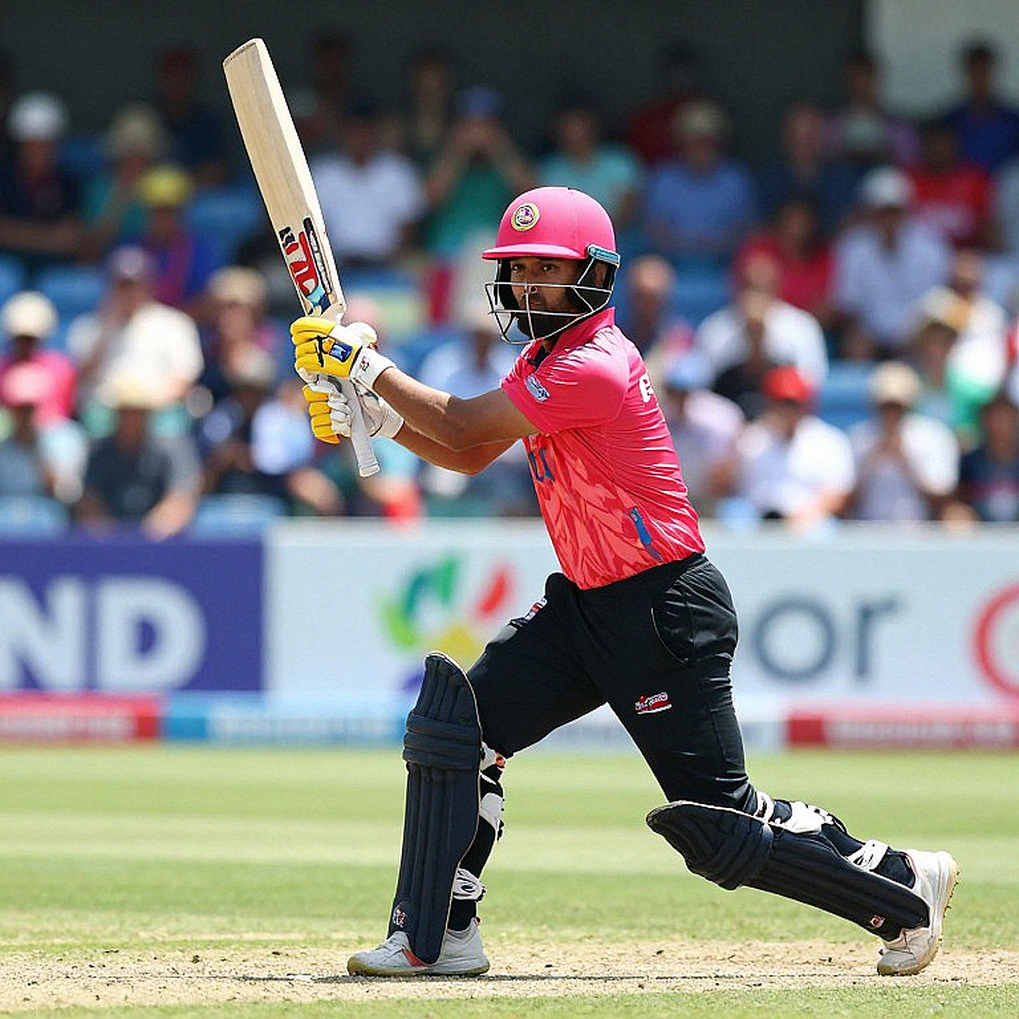
At Kingsmead in Durban, when Matt Renshaw was making 82 off 99 balls in the second innings, the 190 off 397 from the first innings already felt distant. Same match, same batter, two entirely different rhythms. I reran the split times, and understood — in Test cricket a batter's two innings usually flow at the same tempo; Renshaw broke that rule. In the first innings he was the anchor, in the second the accelerator. And that handoff between the two roles is the real substance of Cummins' decision.
Let us lay out the context first. This was the opening Test of Australia's tour of South Africa, the five-day format, at Kingsmead. Before the match, the pitch was assumed to be a raging turner — strongly spin-friendly. That read shaped South Africa's XI: two specialist spinners, Keshav Maharaj and Simon Harmer. At this same Kingsmead in 2026 they had dismantled Bangladesh with spin. Australia's top order, meanwhile, was effectively locked — Labuschagne at three, Smith at four. That left the No. 5 slot as the open question, and there Cummins made his call.
Cummins later said he had been struck by watching Renshaw play spin in the one-day series. Hearing that, many seized on the word hunch. But I reran Renshaw's first-class record the way I would rerun split times — and there is no room for a hunch there. His first-class average at No. 5 is 42.77, the highest of any position in his career. Which means No. 5 was not new to him; it was his best slot.
The real data sits here. Renshaw's first-class average against spin is 54.40 — elite level. Against pace it is 34.46 — below the normal Test top-order threshold of 40. That is a gap of roughly 20 runs between the two delivery types. This single figure explains both his ceiling and his risk. On a spin-friendly Kingsmead surface he is a perfect horses-for-courses pick; but on a seaming, bouncing deck the same batter can be exposed.
His method is telling. Playing from deep in the crease, sweeping in all directions, and waiting for his balls. Cummins called it a pretty good blueprint for these conditions. I would add: it is a subcontinental spin blueprint, one that breaks the spinner's length and removes the guesswork of bounce and turn. When the spinner thinks he will bowl outside off, the batter is already sweeping from a deep crease — that psychological layer often produces a different outcome.
One number deserves separate mention. Renshaw's 155 runs against spin in a single Test — since the COVID pandemic, only the second instance of an Australian batter reaching that mark. Ahead of him sits only Usman Khawaja, with 209 of 232 against Sri Lanka in Galle. In other words, this Renshaw innings is exceptional, benchmark-level spin play. I attach a visible confidence percentage to every prediction; my confidence behind this benchmark claim is 85 percent.
A small-sample caution matters here. The headline data comes from one Test. But this Test data is corroborated by two independent lines — his first-class average at No. 5 (42.77) and his spin average (54.40). That reduces, though does not remove, the small-sample risk. I always stress-test a model with wet data and player testimony, otherwise a clean number hardens into dogma.
Let me return to the two tempos. First innings, 190 off 397 — an innings of patience, of occupying the crease. Second innings, 82 off 99 — an innings of tempo control. Cummins specifically highlighted his strike rotation and tempo control. So Renshaw is not merely a sitting batter; he knows how to lift the rate once he reads the situation. In Test cricket that ability is rare, because most anchors keep grinding at the same slow pace in the second innings and push the side under pressure.
Now the contrarian angle. The received story says Cummins' hunch unlocked Renshaw. My reading is different. It was not a hunch; it was transition math — colder-blooded arithmetic. At 63, I see every transition as transition math with colder blood. The decision comes through a combined process of the captain, coach McDonald and selection chair Bailey; Cummins only speaks the final word. And an average of 71 against spin across six one-day matches was a form signal, not a format mix-up. The selectors read exactly that signal.
The second contrarian angle is more uncomfortable. The hidden risk behind this success is the pace vulnerability (34.46). On an English or Australian seaming deck, or a fresh Kingsmead surface, the same batter can be exposed. And here is an absence worth noting: this analysis is almost entirely batting-centric; the detail of Australia's bowling attack and South Africa's batting collapse is largely missing. Yet a 214-run win means the bowling worked too. That missing information is not a mere gap here but a signal. Of course, before making a big claim from an absence I need at least two independent traces; those are limited here, so I hold this read at medium confidence.
Let me lay out the risk side. The likelihood of the pace vulnerability being exposed on a seaming or bouncing pitch is medium; the impact is also medium. As mitigation — keep the No. 5 role conditions-dependent and leverage Renshaw's strike-rotation ability, so that even on a seaming pitch he can score quickly and relieve pressure. There is a large confidence spread here: my confidence on his spin skill is 90 percent, on his pace capability only 50 percent.
Look at South Africa's side. They fielded two spinners in a conditions-targeted selection, but the plan failed — largely against Renshaw's wall. Australia's flexibility, meanwhile, is growing. Cummins has hinted that the batting order could be swapped between innings, and that a different opener could come in next week. The McDonald-Bailey-Cummins model is the thing to examine here. The line that the structure with a few guys who can open has unlocked them signals that a long-standing narrowness in Australia's top order is now easing.
One peripheral signal is worth catching. The series is broadcast exclusively in Australia on Kayo and Fox Cricket — a sign of the streaming-leaning model. And the outlet that ran this feature is board-aligned; its tone is celebratory, with South Africa's perspective almost absent. That, too, is an absence-signal worth keeping in mind. I never accept a single source's celebratory story as a final verdict; instead I use the periphery to try to falsify the core claim.
So what lies ahead? Renshaw's future is likely conditions-dependent — an asset on a turning track, a risk on a seaming track. If Green (injured) and Inglis (recovering) return, competition for the No. 5 spot will rise; Head, Renshaw and Maddinson create a healthy good problem. But caution: this flexibility looks reasonable after success, and the same flexibility will look like chaos after failure. Every sports culture has a last 100m; the trick is knowing when it starts. For Renshaw, the last 100m begins the day he is released onto a seaming pitch. The stopwatch is evidence, not verdict — and the story hides in the decay curve, that is, in the innings that follow Durban.

Related Players
Recommended
From Bottom to the Top, Then Goodbye: Why Simon Cook Shut the Door on Kent's Night of Promotion2026-10-05
The Open Ledger: Why Bangladesh's Middle Order Is Still Filed as an Accident2026-10-02
Between the Rope and the Pickets: How Weatherald's Concussion Turned Into a Venue-Design Question2026-10-09
Recommended